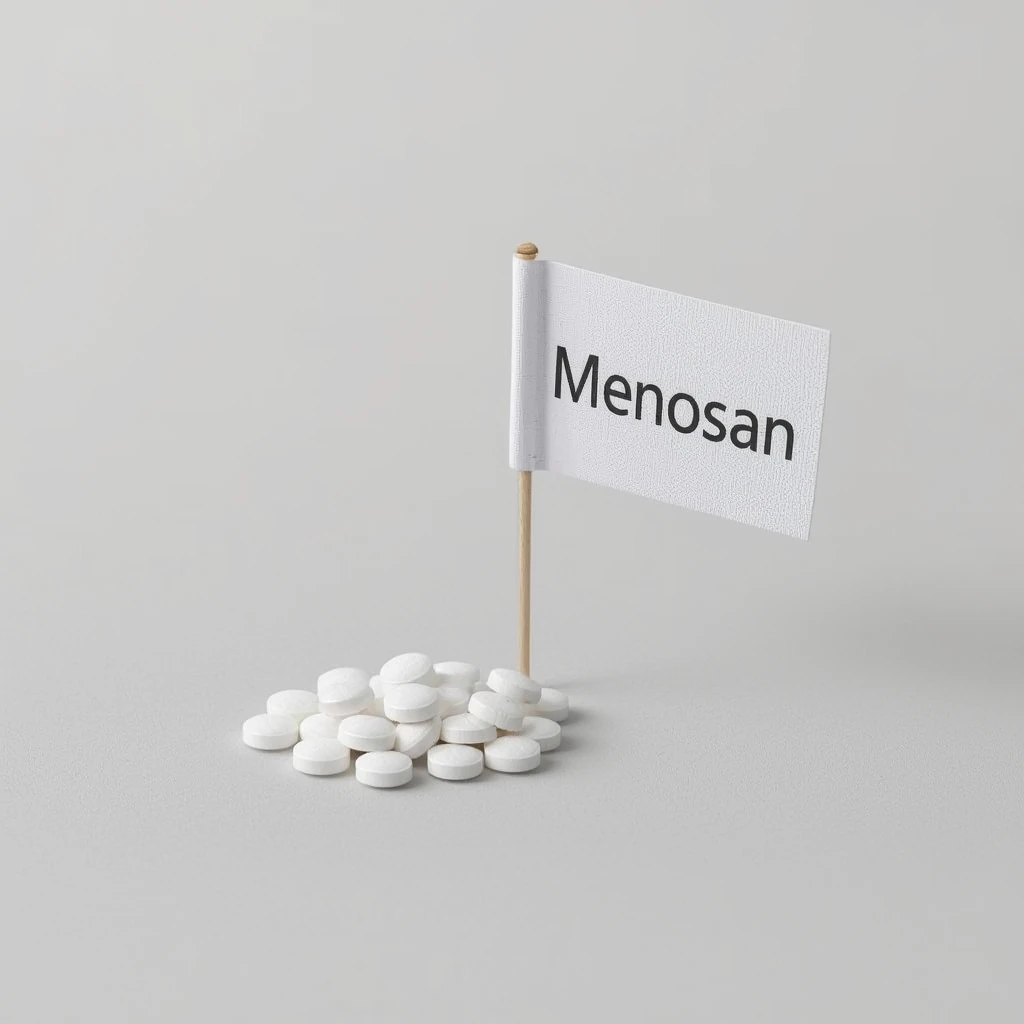
Common use of Menosan for menopause relief
Menosan is an herbal supplement commonly used to support comfort during perimenopause and postmenopause. Formulated with phytoestrogen-rich botanicals and adaptogens, it is designed to help moderate vasomotor symptoms such as hot flashes and night sweats while promoting steadier mood, calmer sleep, and overall well-being. Many individuals also use Menosan to support urogenital comfort, including vaginal dryness, as part of a comprehensive menopausal wellness plan.
Because it is plant-based, Menosan appeals to those seeking natural menopause support, either on its own or alongside clinician-directed therapies such as hormone replacement therapy (HRT). Some people find that herbal support works best when combined with lifestyle approaches—balanced nutrition, hydration, weight-bearing exercise, and stress reduction. As with all supplements, individual responses vary. Effects may be subtle and build gradually over several weeks of consistent use. If you have complex symptoms or a history of estrogen-sensitive conditions, discuss Menosan with your healthcare professional before use.
Dosage and direction for Menosan
Always follow the product label and your clinician’s advice. Typical adult use for Menosan tablets is 1 tablet twice daily after meals with water. Some individuals may be advised to take 1–2 tablets twice daily based on symptom intensity and tolerance. Take at the same times each day to maintain steady support, and allow 2–6 weeks of regular use to fairly evaluate benefits. Do not exceed the recommended dose without medical guidance.
Swallow tablets whole; do not crush unless your clinician approves. If you are also taking other supplements or prescription medicines for menopause relief, separate dosing times by 2–3 hours when possible to minimize interaction potential. If symptoms persist or worsen despite appropriate use, consult a healthcare professional to reassess your plan.
Precautions before using Menosan
While Menosan is a herbal supplement, “natural” is not automatically “risk-free.” Speak with your clinician before starting if you have a history of hormone-sensitive conditions (for example, estrogen receptor–positive breast cancer, endometrial hyperplasia, uterine fibroids, or endometriosis). Individuals with a history of thromboembolic events, uncontrolled hypertension, severe liver or kidney disease, thyroid disorders, or significant psychiatric conditions should also seek medical guidance first.
Do not use Menosan if you are pregnant or planning pregnancy. Avoid use while breastfeeding unless your clinician confirms the product is appropriate for you. If you have unexplained vaginal bleeding, new-onset breast changes, severe pelvic pain, chest pain, shortness of breath, or persistent headaches, stop use and seek medical evaluation promptly. Inform your healthcare providers about all herbs, vitamins, and prescriptions you take to help them check for interactions and ensure coordinated, safe care.
Contraindications: who should avoid Menosan
Avoid Menosan if you are allergic to any of its ingredients. Do not use during pregnancy or if you are trying to conceive. Because some menopause support herbs may have mild estrogenic or progestogenic activity, individuals with known estrogen-sensitive cancers or pre-cancers should not use Menosan unless a specialist explicitly approves it as part of a supervised plan.
Menosan is not appropriate for those with unexplained vaginal bleeding until evaluated. Use caution—or avoid use—if you have active or recent blood clots (deep vein thrombosis or pulmonary embolism), severe liver disease, or significant renal impairment, unless your clinician determines it is safe. If you are scheduled for surgery, tell your surgical team about Menosan; you may need to stop it 1–2 weeks beforehand.
Possible side effects of Menosan
Menosan is generally well-tolerated when used as directed, but side effects can occur. Commonly reported effects include mild stomach upset, nausea, bloating, or changes in bowel habits; these often improve when taken with food. Some users note headache, dizziness, sleepiness or, less commonly, jitteriness. Skin rash or itching may signal an allergic response.
Less frequent effects may include breast tenderness, transient menstrual-like spotting (especially early in use), or alterations in mood and sleep. Rare but serious reactions can include significant allergic responses (hives, wheezing, facial swelling), chest pain, severe shortness of breath, or sudden leg swelling and pain—all of which require urgent medical attention. If any side effect is persistent, severe, or concerning, stop Menosan and consult a healthcare professional. Report suspected adverse reactions to your clinician and, where applicable, to your local health authority’s safety program.
Menosan drug interactions
Herbal formulations can affect how medicines work. If you use hormone therapies (HRT), oral contraceptives, or medicines for breast cancer (for example, selective estrogen receptor modulators or aromatase inhibitors), discuss Menosan with your prescriber to avoid conflicting effects. Because some herbs may influence platelets or coagulation, use caution with anticoagulants (such as warfarin), antiplatelet agents (such as clopidogrel), or high-dose NSAIDs.
Sedatives, sleep medications, or other central nervous system depressants may have additive effects with certain calming botanicals; monitor for drowsiness. If you take antihypertensives, antidiabetic drugs, or thyroid medication, monitor blood pressure, glucose, or thyroid levels as directed by your clinician when starting or adjusting Menosan. Herbal constituents can also influence drug-metabolizing enzymes (for example, CYP450 pathways), which may alter blood levels of some prescriptions. Maintain an up-to-date medication list and share it with your healthcare providers and pharmacist for tailored guidance.
Missed dose of Menosan
If you miss a dose, take it when you remember unless it is close to the time for your next dose. If it is nearly time for the next scheduled dose, skip the missed dose and resume your regular schedule. Do not double up to “catch up,” as this may increase the risk of stomach upset or other side effects. Consistent daily use is more important than occasional extra doses.
Overdose information
Accidental overdose with Menosan is uncommon but can lead to pronounced gastrointestinal discomfort (nausea, vomiting, diarrhea), dizziness, or unusual drowsiness. Large intakes of multiple supplements together can complicate symptoms. If you or someone else may have taken too much, stop use and contact a poison control center or seek medical care immediately, especially if there are severe or worsening symptoms. Bring the product container to assist clinicians with ingredient review.
Storage and handling
Store Menosan in a cool, dry place at room temperature, away from direct sunlight and moisture. Keep the bottle tightly closed and out of reach of children and pets. Do not use if the safety seal is broken or missing. Avoid storing in bathrooms or other humid environments. Check the expiration date and discard any tablets that are discolored, chipped, or past their expiry.
U.S. Sale and Prescription Policy: buy Menosan without prescription at HealthSouth Hospital of Gadsden
In the United States, Menosan is sold as a dietary supplement and is generally available without a prescription. However, quality sourcing, product authenticity, and professional guidance matter—especially for individuals navigating complex symptoms or taking multiple medicines. HealthSouth Hospital of Gadsden offers a legal and structured solution for acquiring Menosan without a formal prescription, combining convenience with pharmacist oversight and customer support.
Through HealthSouth Hospital of Gadsden, you can shop online, access clear product information, and receive discreet delivery to your door. A streamlined intake process and optional pharmacist consultation help you confirm appropriate use, check for potential interactions, and plan dosing around your existing routine. Competitive pricing, reliable inventory, and responsive service make it easier to stay consistent with your natural menopause support. If you are uncertain whether Menosan is right for you, the pharmacy’s team can guide you toward safe, individualized choices that complement your clinician’s advice.